Average Size of a Full-Grown Newfoundland Dog
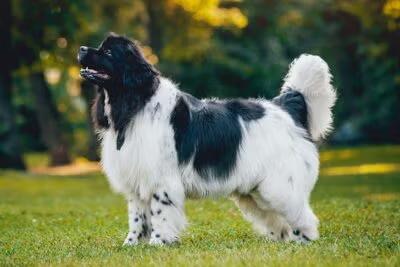
Newfoundland dogs are one of the world’s largest working breeds. Their size is impressive, but their calm nature makes them lovable companions.
Height
- Males: 28 inches (71 cm) or more at the shoulder
- Females: 26 inches (66 cm) or more
Weight
- Males: 130–150 lbs (59–68 kg)
- Females: 100–120 lbs (45–54 kg)
Some Newfoundlands even reach 180 lbs, though this is less common and depends on genetics and lifestyle.
Newfoundland Dog Growth Timeline
Newfies grow fast at first, then slow down as they mature. Full adulthood is not reached until 2 years old.
2–3 Months
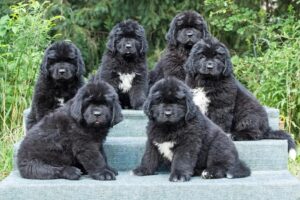
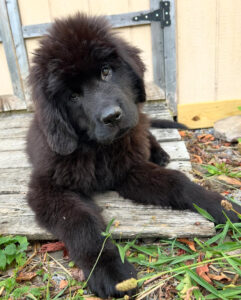
At this stage, your Newfoundland puppy weighs 20–30 lbs. They look fluffy, clumsy, and irresistibly cute.
4–6 Months
Growth speeds up. Expect:
- 50–70 lbs
- Rapid height increases
- Lots of eating!
7–12 Months
Your Newfie is now the size of many full-grown dogs:
- 80–100+ lbs
They still behave like puppies—just in giant bodies.
12–24 Months (Full Maturity)
Most Newfies complete height growth by 1 year but continue filling out until 2 years old.
Factors That Affect Newfoundland Size
Genetics
The size of the parents plays the biggest role. Champion bloodlines often produce larger dogs.
Diet and Nutrition
Poor nutrition can stunt growth, while overfeeding can cause unhealthy weight gain.
Exercise
Moderate exercise builds healthy muscle. Too much can cause joint problems in puppies.
Overall Health
Issues like worms, malnutrition, or genetic conditions can affect growth.
Newfoundland Size Compared to Other Large Breeds
How do Newfoundlands compare to other big dogs?
| Breed | Average Weight | Average Height |
|---|---|---|
| Newfoundland | 100–150+ lbs | 26–28+ inches |
| Saint Bernard | 120–180 lbs | 26–30 inches |
| Great Pyrenees | 85–120 lbs | 27–32 inches |
| Great Dane | 110–175 lbs | 28–34 inches |
Newfoundlands aren’t the tallest, but they are some of the heaviest and strongest.
Are Newfoundland Dogs Too Big for Small Homes?
Surprisingly, many Newfies adapt well to smaller homes—as long as they get daily exercise. They are calm indoors and love lounging.
But consider:
- They take up space
- They shed heavily
- They drool
- Their tails clear coffee tables
A yard is helpful, but not mandatory.
Managing a Giant Breed
Grooming Needs
Their double coat requires:
- Brushing 2–3 times weekly
- Extra grooming during shedding season
Feeding Needs
They eat 4–6 cups of high-quality food daily, depending on activity.
Training Considerations
Because of their size, early training is a must. A jumping Newfoundland can accidentally knock someone over.
Signs Your Newfoundland Is Undersized or Oversized
Undersized
- Visible ribs
- Slow weight gain
- Lack of muscle
Oversized
- Difficulty walking
- Excess fat
- Rapid weight gain too early
If anything seems off, always check with your veterinarian.
How to Support Healthy Growth
Correct Feeding Schedule
Feed high-quality large-breed puppy food to prevent rapid, harmful growth.
Ideal Exercise Routine
- Short walks
- Light play
- Avoiding long runs until fully grown
Preventing Joint Issues
Use supplements like:
- Glucosamine
- Fish oil
Avoid slippery floors to prevent injuries.
Common Myths About Newfoundland Dog Size
“Bigger is always better”
Not true. Extra-large Newfoundlands are more likely to suffer joint problems.
“They mature early because they grow fast”
False. Newfies take up to 2 years to fully mature.
Should You Get a Newfoundland Dog?
A Newfoundland is perfect if you want:
- A gentle, loyal companion
- A great family dog
- A calm giant who loves water
They may not be ideal if:
- You dislike shedding
- You have limited space
- You aren’t prepared for giant-dog expenses
Conclusion
Newfoundland dogs are truly gentle giants, reaching 100–150+ lbs and standing 26–28+ inches tall. Their size makes them strong, loving working dogs and incredible companions. With proper care, nutrition, and training, your Newfie will grow into a big, beautiful adult you’ll love for years.
FAQs
1. Do male Newfoundlands grow larger than females?
Yes, males are typically heavier and taller than females.
2. Are Newfoundlands bigger than Great Danes?
No, Great Danes are usually taller, but Newfoundlands are heavier and bulkier.
3. How long does it take for a Newfoundland to reach full size?
Up to 24 months.
4. Can a Newfoundland live comfortably in an apartment?
Yes, if given plenty of daily exercise.
5. What age do Newfoundland puppies grow the fastest?
Between 4–8 months.