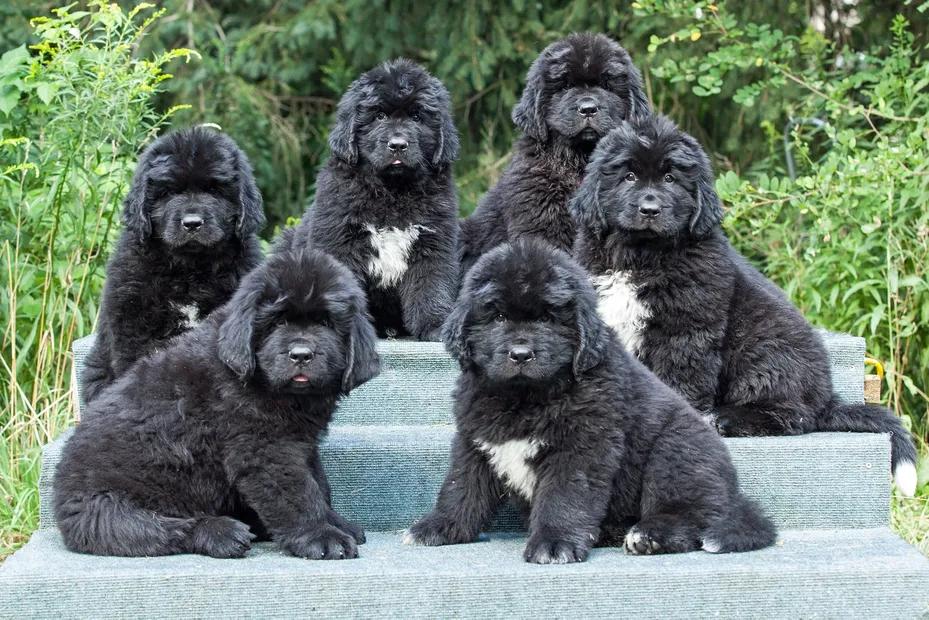
Understanding Newfoundland Puppies Shedding
Why Newfoundland Puppies Shed
Newfoundlands have a thick, double-layered coat that naturally loosens and falls out as part of a healthy hair growth cycle. Shedding helps them:
- Regulate body temperature
- Remove old or damaged fur
- Adapt to seasonal climate changes
In simple terms, shedding is just the body’s way of maintaining a healthy, functional coat.
Seasonal Shedding Explained
Newfies are built for cold weather. Their coats grow thicker during winter and lighten up in warmer months.
Because of this, they shed more noticeably during seasonal changes.
Newfoundland Puppies Coat Structure
Double Coat Characteristics
A Newfoundland dog’s coat is made up of:
- A dense, wool-like undercoat that keeps them warm
- A coarse outer coat that repels water
This two-layer system is why they can swim in freezing waters—but it also means lots of loose fur year-round.
How the Coat Protects Them
Their coat:
- Insulates them from cold temperatures
- Protects their skin from moisture
- Shields them from the sun
But with great protection comes great responsibility—especially for owners dealing with shedding!
How Much Do Newfoundland Puppies Shed?
Light Shedding vs. Heavy Shedding Periods
Newfies shed moderately throughout the year.
But twice a year, they experience heavy shedding, also known as “blowing their coat.”
During these times, you may feel like your home is made of fur.
What Newfie Owners Can Expect
Get ready for:
- Fur on furniture
- Fur on clothing
- Fur in your car
- Fur in corners of your home
If you’re not prepared for this, a Newfoundland might not be the breed for you.
When Do Newfoundland Puppies Shed the Most?
Spring “Blowout” Season
Spring is the biggest shedding season.
Newfoundlands shed their thick winter undercoat so they don’t overheat in warmer weather.
Fall Coat Transition
In fall, they shed again—this time to make room for their thicker winter coat. It’s not usually as dramatic as the spring blowout, but still very noticeable.
Factors That Influence Shedding
Diet
Poor-quality food can increase shedding. Look for:
- Omega-3 fatty acids
- High-quality animal proteins
- Limited fillers
A good diet = a healthy coat.
Climate
Hot climates may lead to more shedding as the dog tries to stay cool.
Stress
Stress, anxiety, or major routine changes can cause temporary shedding spikes.
Health Issues
Underlying health problems can affect coat quality and shedding patterns.
How to Manage Newfoundland Puppies Shedding
Daily Brushing Tips
Brushing removes loose fur before it coats your home. Try:
- Slicker brushes
- Undercoat rakes
- Pin brushes
Brush your Newfie 3–5 times a week, or daily during peak shedding seasons.
Bathing and Grooming Frequency
A bath every 6–8 weeks helps release loose fur and keeps the coat clean.
Avoid over-bathing, as it may dry out their skin.
Recommended Grooming Tools
- Undercoat rake
- De-shedding tool
- High-velocity dryer (for serious grooming)
- Wide-tooth comb
These tools make grooming much easier.
Professional Grooming Tips
You don’t need a groomer, but many Newfie owners use one—especially during shedding blowouts.
Professional grooming can drastically reduce shedding at home.
How to Reduce Shedding in Your Home
Vacuuming and Cleaning Tips
Invest in:
- A pet-hair vacuum
- Washable furniture covers
- Lint rollers
Vacuum at least 2–3 times a week.
Managing Allergens
Regular grooming reduces dander, which helps people with mild pet allergies.
Health Problems That Can Increase Shedding
Allergies
Skin allergies can lead to:
- Redness
- Itching
- Patchy hair loss
Parasites
Fleas and mites can cause excessive scratching and shedding.
Thyroid Issues
Hypothyroidism is common in large dogs and causes coat thinning.
If shedding seems worse than normal, consult a veterinarian.
Should You Get a Newfoundland Puppies If You Hate Shedding?
Pros and Cons of Owning a Newfie
Pros
- Gentle and affectionate
- Great family dogs
- Loyal and protective
Cons
- Heavy shedding
- High grooming needs
- Large size requires space
If you dislike shedding, a Newfoundland may not be the best match.
Final Tips for First-Time Newfoundland Puppies Owners
- Be prepared for lots of fur
- Invest in grooming tools early
- Keep diet and health in check
- Establish a brushing routine
- Accept that shedding is part of Newfie life
Conclusion
So, do Newfoundland dogs shed?
Yes—a lot, especially during seasonal changes. But with the right grooming routine and tools, you can manage the shedding and enjoy life with one of the most lovable, gentle giants in the dog world.
If you’re prepared for the fur, a Newfoundland will reward you with endless affection, loyalty, and companionship.
FAQs
1. Are Newfoundland Puppies hypoallergenic?
No. They shed heavily and are not suitable for allergy-sensitive households.
2. How often should I brush my Newfoundland dog?
Aim for 3–5 times a week, or daily during peak shedding.
3. What months do Newfoundlands shed the most?
Typically in spring and fall.
4. Does shaving a Newfoundland reduce shedding?
Never shave a Newfie. It damages their coat and affects temperature regulation.
5. What is the best brush for a Newfoundland dog?
An undercoat rake paired with a slicker brush gives the best results.